
Complete Safety Guide, Side Effects, Long-Term Risks & Legal Information (2026)
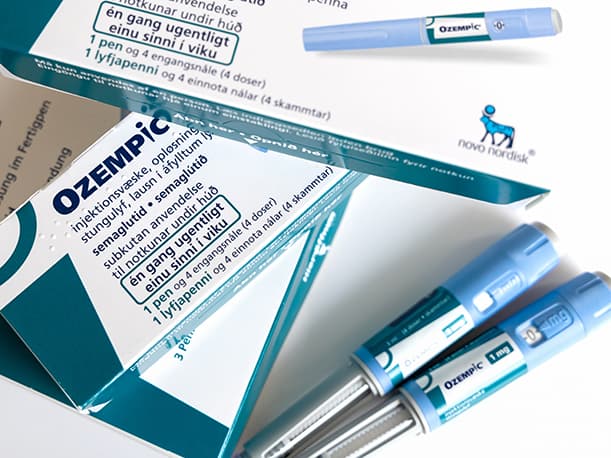 Ozempic (semaglutide) is one of the most widely used GLP-1 medications in the world — prescribed for type 2 diabetes, but now heavily used (and often over-prescribed) for weight loss. Its popularity has exploded, and so have reports of serious gastrointestinal side effects, gastroparesis, pancreatitis, kidney issues, and other complications.
This page provides the most comprehensive, medically-reviewed breakdown of Ozempic benefits, risks, side effects, long-term safety concerns, and legal options for those injured.
What Is Ozempic?
Ozempic is a GLP-1 receptor agonist designed to:
- lower blood sugar
- reduce appetite
- slow digestion
- assist with weight loss (off-label)
Ozempic contains semaglutide, the same active ingredient as Wegovy but in different dosages and approved uses.
Approved Use
- Type 2 diabetes
Common Off-Label Use
- Weight loss — often leading to higher-risk use without proper monitoring.
How Ozempic Works
Ozempic mimics GLP-1, a hormone that:
- slows gastric emptying
- increases insulin release
- reduces appetite
- regulates blood sugar
Slowed gastric emptying is part of the intended mechanism — but in some patients it becomes extreme, leading to the now well-documented cases of gastroparesis (stomach paralysis).
Learn more:
➡️ How GLP-1 Drugs Work
Ozempic Benefits
- Significant HbA1c reduction
- Moderate to substantial weight loss
- May reduce cardiovascular risk
- Appetite suppression
However, benefits must be weighed against rising incidence of severe gastrointestinal reactions and long-term unknowns.
Ozempic Side Effects (Complete List)
Common (mild to moderate)
- Nausea
- Vomiting
- Diarrhea
- Constipation
- Fatigue
- Appetite loss
- Abdominal discomfort
Full list:
➡️ Ozempic Side Effects (2026)
Serious Ozempic Risks
Ozempic has been connected to several serious and sometimes long-term complications:
Gastroparesis (Stomach Paralysis)
One of the most widely reported severe reactions.
Symptoms include:
- daily nausea
- vomiting undigested food hours later
- inability to eat
- bloating
- abdominal pain
- early satiety (feeling full immediately)
This condition can become permanent in some patients.
➡️ Learn more about Ozempic and Gastroparesis
Pancreatitis
Some patients develop acute pancreatitis, which can be life-threatening.
Symptoms:
- intense abdominal pain
- fever
- elevated heart rate
- hospitalization
Kidney Injury
Ozempic can worsen dehydration-driven kidney issues or trigger acute kidney injury, especially when GI symptoms lead to fluid loss.
Gallbladder Disease
Rapid weight loss may increase the likelihood of gallstones, biliary colic, and gallbladder inflammation.
Mental Health Changes
Some users report depression, irritability, or anxiety — research into psychiatric effects is ongoing.
➡️ Ozempic Mental Health Effects
Long-Term Risks of Ozempic
Long-term data (>10 years) does not yet exist. Current concerns include:
- chronic gastroparesis
- ongoing GI motility disorders
- thyroid tumor risk
- kidney strain
- pancreatic inflammation
- mental health effects
Details:
➡️ Long-Term Effects of Ozempic
Is Ozempic Safe for Weight Loss?
Ozempic was not originally designed for cosmetic weight loss. Key safety concerns include:
- higher doses used long-term may intensify GI damage
- users may not be medically monitored
- dehydration and malnutrition risks increase
- underlying GI conditions often go unnoticed
Research, Studies & FDA Safety Updates
Explore the latest findings:
➡️ Ozempic Studies & Clinical Research
Alternatives: Ozempic vs. Other GLP-1 Drugs
Compare Ozempic to:
➡️ Ozempic vs Wegovy
➡️ Compare All GLP-1 Drugs
Legal Rights: Ozempic Lawsuits (2026)
Thousands of patients have reported severe gastrointestinal complications — and many are now pursuing legal action.
Patients may qualify for an Ozempic lawsuit if they developed:
- gastroparesis
- intestinal obstruction
- severe vomiting requiring hospitalization
- pancreatitis
- kidney injury
- gallbladder removal
- long-term GI dysfunction
Learn more or request a free case review:
➡️ Ozempic Lawsuit Information
What to Do if You’re Experiencing Side Effects
- Contact your doctor immediately
- Document symptoms
- Request imaging/tests (especially gastric emptying studies)
- File a report with FDA MedWatch
- Explore legal options if harm occurred
➡️ Report a Side Effect
➡️ See If You Qualify for a Lawsuit
Ozempic can be beneficial, but the rise of serious gastrointestinal side effects, organ damage, and long-term risk signals has led to increased medical scrutiny and significant legal action.
If you are experiencing unexplained GI issues or severe symptoms, seek medical help immediately — and consider whether you may be owed compensation.