
Symptoms, Warning Signs, Treatment & Legal Rights (2026)
Pancreatitis — inflammation of the pancreas — is one of the most serious and potentially life-threatening complications associated with Ozempic (semaglutide). Reports have linked Ozempic and other GLP-1 drugs to cases of both acute pancreatitis and chronic pancreatic inflammation, sometimes requiring hospitalization and emergency intervention.
This guide explains how Ozempic may contribute to pancreatitis, the symptoms you must watch for, how doctors diagnose it, and what legal options exist if you suffered this condition after taking the drug.
What Is Pancreatitis?
Pancreatitis occurs when the pancreas becomes inflamed, swollen, or damaged. It ranges from mild discomfort to severe, life-threatening illness.
Types of Pancreatitis
- Acute pancreatitis
Sudden onset, severe abdominal pain, often requires emergency care. - Chronic pancreatitis
Long-term inflammation that can permanently damage pancreatic tissue.
How Ozempic May Cause Pancreatitis
GLP-1 receptor agonists like Ozempic may cause or worsen pancreatitis through several mechanisms:
- overstimulation of pancreatic cells
- inflammation triggered by GLP-1 activity
- delayed gastric emptying → increased digestive stress
- changes to pancreatic enzyme production
- effects on the common bile duct
Patients using Ozempic off-label for weight loss may be at higher risk due to higher doses, rapid escalation, and lack of medical monitoring.
Symptoms of Pancreatitis (Always a Medical Emergency)
Seek immediate medical attention if you experience:
Severe Abdominal Symptoms
- sudden, intense pain in the upper abdomen
- pain radiating to the back
- abdominal swelling
- sharp or burning pain when lying down
Systemic Symptoms
- fever
- vomiting
- rapid heart rate
- nausea lasting >24 hours
- inability to tolerate food
- jaundice (yellowing of skin/eyes)
Pancreatitis can escalate rapidly and may become fatal if untreated.
How Doctors Diagnose Pancreatitis
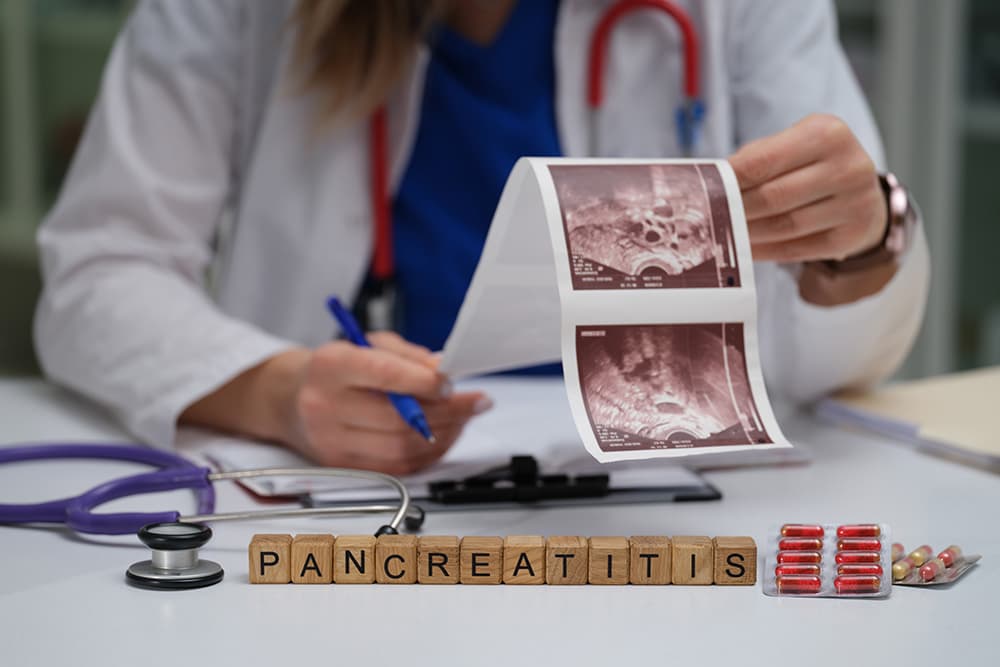
Diagnostic process usually includes:
1. Blood Tests
- Elevated lipase or amylase levels
- Electrolyte imbalances
- Markers of inflammation
2. Imaging Studies
- CT scan with contrast
- Abdominal ultrasound
- MRI / MRCP to examine pancreatic ducts
3. Gastroenterology evaluation
To determine whether the cause may be drug-induced — including GLP-1 medications such as Ozempic, Wegovy and Mounjaro.
5. Treatment Options
Acute pancreatitis often requires:
- IV fluids
- Pain management
- Pancreatic rest (no eating for 24–72 hours)
- Nutritional support
- Hospital monitoring
- Treatment of complications (infection, necrosis, organ failure)
Chronic pancreatitis may require:
- enzyme replacement
- long-term dietary changes
- pain management
- treatment of diabetes originating from pancreatic damage
6. Who’s at Increased Risk While Taking Ozempic?
Risk may be higher in patients who:
- previously had pancreatitis
- drink alcohol heavily
- have gallstones
- rapidly titrate their Ozempic dose
- use Ozempic for weight loss without monitoring
- have high triglycerides
- have underlying pancreas or bile duct disorders
Even healthy patients have reported sudden onset pancreatitis while taking semaglutide.
Is Pancreatitis a Known Risk of Ozempic?
Although manufacturers often describe pancreatitis cases as “rare,” medical literature and patient reports show increasing associations.
Regulatory agencies have received:
- rising reports of pancreatitis linked to Ozempic
- cases where patients required hospitalization
- cases where pancreatitis recurred or became chronic
- instances where pancreatitis developed shortly after starting the drug
Ongoing research is examining whether the risk is under-reported.
➡️ View Ozempic Studies & Research
➡️ View GLP-1 Severe Adverse Reactions
What to Do if You Suspect Pancreatitis
- Go to the ER immediately
- Tell doctors you are taking Ozempic
- Request lipase and amylase testing
- Ask for CT or ultrasound imaging
- Do not stop Ozempic before speaking to a doctor (risk of complications)
- Document all symptoms and hospital visits
Also file a safety report here:
➡️ How to Report a Side Effect
Legal Rights: Ozempic Pancreatitis Lawsuit
If you developed pancreatitis after taking Ozempic, you may qualify for compensation. Lawsuits claim that manufacturers:
- failed to adequately warn patients and doctors
- downplayed the risk of pancreatic inflammation
- marketed the drug aggressively for weight loss
- did not sufficiently study long-term pancreatic safety
You may qualify if you:
- were diagnosed with pancreatitis after starting Ozempic
- required hospitalization or ER treatment
- experienced recurring pancreatitis
- developed chronic pancreatic issues
- missed work or incurred medical bills
- suffered life-altering digestive complications
Possible compensation includes:
- medical expenses
- lost wages
- long-term care
- pain and suffering
- decreased quality of life
➡️ Learn more or request a free case review:
👉 Ozempic Lawsuit Information
Related Information
- Ozempic Side Effects
- Ozempic Kidney Problems
- Ozempic & Gastroparesis
- Severe GLP-1 Reactions
- Pancreatitis Symptom Guide
- See If You Qualify for a Lawsuit
Pancreatitis is a serious, sometimes life-threatening condition linked to Ozempic and other GLP-1 drugs. Anyone experiencing unexplained abdominal pain, vomiting, fever, or digestive changes should seek emergency care. If Ozempic contributed to your pancreatitis, you may have legal options to recover compensation.