
Growing numbers of patients who used Ozempic (semaglutide) report experiencing severe and sometimes life-altering complications — including gastroparesis, pancreatitis, kidney failure, and gallbladder disease. As a result, many are pursuing legal claims alleging that they were not adequately warned about these risks.
This page explains the injuries at the center of Ozempic lawsuits, who may qualify, what compensation may be available, and how to evaluate your case.
Why are Ozempic Lawsuits Increasing?
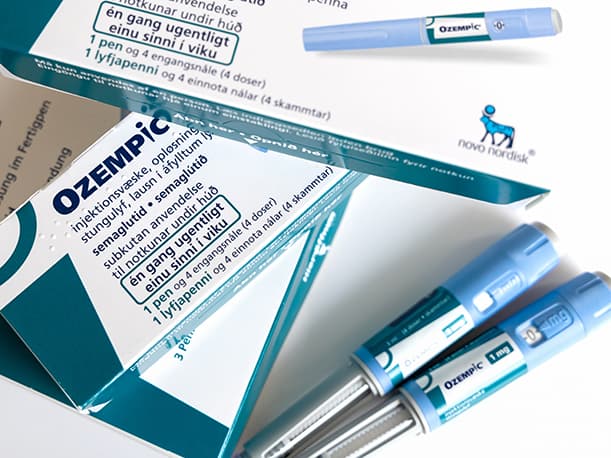 Many lawsuits claim that patients were not fully informed of the potential for:
- long-term gastrointestinal paralysis
- severe inflammation of the pancreas
- kidney impairment or failure
- gallbladder disease requiring surgery
- intestinal obstruction
- persistent nausea and vomiting
- dehydration leading to organ damage
Some legal filings also allege inadequate warnings regarding:
- the possibility of permanent gastroparesis
- hospitalization risks
- chronic abdominal disability
- potential long-term organ damage
Injuries Commonly Reported in Ozempic Claims
Patients involved in litigation often report one or more of the injuries below:
Gastroparesis (Stomach Paralysis)
One of the most frequently alleged injuries.
Common symptoms include:
- persistent nausea
- vomiting undigested food
- inability to tolerate normal meals
- long-term digestive dysfunction
Acute Pancreatitis
Patients describe a sudden onset of intense abdominal pain, vomiting, fever, and hospitalization.
Kidney Injury & Kidney Failure
Claims often involve:
- dehydration
- prolonged vomiting
- acute kidney injury
- dialysis in severe cases
Gallbladder Issues & Removal
Common allegations include:
- gallstones
- bile duct blockages
- emergency gallbladder removal
Intestinal Obstruction
Some cases involve severe motility disturbance progressing to bowel blockage.
Legal Claims in Ozempic Lawsuits
Most lawsuits allege that:
- the manufacturer failed to provide clear warnings
- patients were not adequately informed of severe gastrointestinal risks
- injuries caused long-term or permanent harm
- the drug’s risks were downplayed as prescriptions expanded
- some users developed debilitating complications requiring medical intervention
Legal claims vary by circumstance and jurisdiction.
Who May Qualify to File an Ozempic Claim?
Individuals may be eligible to pursue a claim if they:
- used Ozempic
- later developed a qualifying complication
- suffered significant medical harm
- required hospitalization, surgery, or long-term treatment
- experienced severe or lasting digestive or organ injury
Possible qualifying complications include:
- diagnosed gastroparesis
- intestinal obstruction
- acute or chronic pancreatitis
- kidney failure or ongoing kidney decline
- gallstones or gallbladder removal
- prolonged severe vomiting
- significant unintentional weight loss with organ stress
- long-term digestive disability
Types of Compensation That May Apply
Depending on individual case details, compensation may potentially cover:
- medical expenses
- future treatment needs
- lost income or reduced earning ability
- necessary surgeries
- long-term care expenses
- reduced quality of life
- pain and suffering
The outcome of any legal claim depends on evidence, medical records, injuries, and applicable law.
How to Evaluate a Potential Case
A review will typically consider:
- diagnosis and medical documentation
- timing of symptoms relative to Ozempic use
- dosage and treatment duration
- imaging and test results
- hospital records
- physician notes
- long-term outcome and prognosis
Individuals living with ongoing complications often undergo detailed case screening.
Frequently Reported Lawsuit Patterns
Trends commonly seen in intake reports include:
- symptoms beginning shortly after dose increases
- vomiting progressing to chronic digestive impairment
- extended ER visits related to dehydration
- gallbladder crises after rapid weight loss
- unexpected pancreatic complications
- kidney decline following periods of repeated vomiting or fluid loss
Current Legal Status
Ozempic-related claims are developing, evolving, and may vary by jurisdiction. Some actions may involve:
- individual claims
- consolidated mass tort cases
- multidistrict litigation (MDL)
- law-firm investigations and screenings
The legal environment continues to change as more patients come forward and additional medical data emerges.
What To Do If You Experienced Severe Ozempic Complications
If you suffered a serious medical injury during Ozempic treatment, consider:
- gathering medical records
- documenting symptoms
- noting treatment dates and hospital visits
- confirming diagnosis from a physician
- reviewing relevant imaging or test results
Medical and legal assessments can help determine whether claims may be viable.
Related Information
These pages support research depth and funnel intake:
- Ozempic Side Effects
- Ozempic Gastroparesis
- Pancreatitis Risk
- Kidney Problems
- Gallbladder Issues
- Severe GLP-1 Adverse Reactions
- GLP-1 Drug Lawsuits
- Black Box Warnings
- Long-Term Effects
Many Ozempic users have come forward with serious gastrointestinal, pancreatic, kidney, and gallbladder complications. Some are pursuing legal claims alleging insufficient warning of risks, long-term medical harm, and life-changing outcomes.
Individuals who developed severe injuries after Ozempic use may benefit from medical review — and, if appropriate, legal evaluation.