
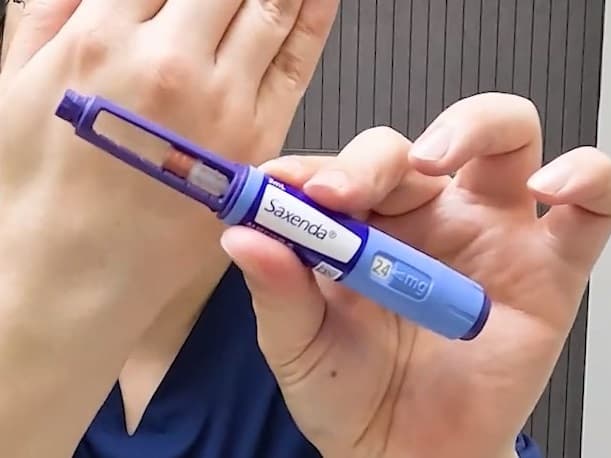
Saxenda (liraglutide) is a GLP-1 medication approved for weight management. While many people use it for obesity treatment, some have reported serious side effects, including gallbladder disease, pancreatitis, severe gastrointestinal symptoms, and, in some cases, long-term complications. As a result, a growing number of patients are exploring potential Saxenda-related legal claims.
This page explains the injuries at the center of Saxenda lawsuits, who may qualify for a claim, and what information is usually important in a case review.
Why Saxenda Lawsuits Are Being Investigated
 Emerging legal and medical reviews often focus on allegations that:
- patients were not fully warned about the risk of gallbladder disease and removal
- serious gastrointestinal issues were presented as “expected weight-loss side effects”
- vomiting, abdominal pain, and pancreatitis risks were minimized
- long-term consequences of rapid weight loss and GLP-1–related motility changes were not clearly explained
Many patients say they followed dosing instructions but experienced severe, sometimes permanent, complications.
Common Injuries Reported in Saxenda Claims
Gallbladder Disease & Gallbladder Removal
Gallbladder issues are among the most frequently reported serious Saxenda-related injuries.
Reported complications include:
- gallstones
- gallbladder inflammation (cholecystitis)
- bile duct obstruction
- emergency gallbladder surgery (cholecystectomy)
- post-surgical digestive changes
➡️ Related legal page: Gallbladder Removal
Pancreatitis
Like other GLP-1 drugs, Saxenda has been associated with cases of acute pancreatitis.
Common features:
- intense upper abdominal pain
- pain radiating to the back
- persistent vomiting
- hospital admission and IV fluids
- potential progression to chronic pancreatic issues
➡️ Related legal page: Pancreatitis
Severe Gastrointestinal Symptoms & Motility Problems
Some patients report prolonged or severe GI disturbances, including:
- persistent nausea
- repeated vomiting
- inability to tolerate normal meals
- long-term digestive discomfort
In some cases, these may overlap with or progress toward gastroparesis or significant motility disorders.
➡️ Related legal page: Gastroparesis
Dehydration & Kidney Stress
Ongoing vomiting and poor oral intake can contribute to:
- dehydration
- electrolyte imbalance
- acute kidney injury (AKI)
- long-term kidney function decline in severe cases
➡️ Related legal page: Kidney Failure
Patterns Seen in Saxenda Case Evaluations
Case reviewers frequently see patterns such as:
- gallbladder crises following rapid weight loss
- abdominal pain and vomiting that began or worsened after starting Saxenda
- pancreatitis occurring after dose escalation or prolonged use
- dehydration leading to hospital treatment
- symptoms continuing even after the drug was stopped
These patterns can help connect Saxenda use to resulting injuries.
Who May Qualify for a Saxenda Injury Claim
You may be considered for a claim if:
- you took Saxenda, AND
- you developed a serious medical condition, AND
- your condition required medical treatment, hospitalization, surgery, or caused long-term harm
Common potentially qualifying conditions include:
- gallstones or gallbladder inflammation
- gallbladder removal surgery
- pancreatitis (acute or chronic)
- severe, prolonged GI symptoms (nausea, vomiting, abdominal pain)
- dehydration with kidney complications
- long-term digestive or nutritional impact
If your quality of life, ability to work, or ability to eat normally has been significantly affected, legal review is often recommended.
Evidence That Strengthens Saxenda Lawsuits
The strongest cases are usually supported by:
- imaging results:
- gallbladder ultrasound
- CT or MRI scans
- hospital admission and discharge records
- operative reports (for gallbladder removal or related surgeries)
- pancreatic enzyme labs (amylase, lipase)
- kidney function labs (eGFR, creatinine, BUN)
- GI consultation and follow-up notes
- medication records showing Saxenda use and timing
- documentation of persistent symptoms or long-term impairment
➡️ Documentation help: Medical Records
Types of Compensation That May Be Sought
Depending on an individual case, compensation may address:
- ER and hospital costs
- surgery (such as gallbladder removal)
- follow-up and long-term medical care
- medications and diagnostic tests
- lost income or reduced earning capacity
- long-term disability or restrictions
- pain, suffering, and emotional distress
- reduced enjoyment of life
➡️ More: Compensation
Timeline & Causation Factors Considered
Case evaluations commonly examine:
- when symptoms began relative to starting Saxenda
- whether rapid weight loss preceded gallbladder issues
- whether pancreatitis occurred during active use
- whether symptoms or complications continued after stopping the drug
- total duration of treatment and dosing pattern
These factors help establish whether a drug–injury relationship may exist.
When to Seek Medical & Legal Help
You should seek immediate medical care — and consider legal review — if you experienced, while on Saxenda:
- severe upper abdominal pain
- pain under the right ribs or radiating to the back or shoulder
- persistent nausea and vomiting
- jaundice (yellowing of eyes or skin)
- fever with abdominal symptoms
- diagnosis of gallstones, gallbladder inflammation, or pancreatitis
How to Start a Saxenda Claim Review
Getting started typically involves sharing:
- the drug you took (Saxenda) and for how long
- the major symptoms or diagnoses you experienced
- whether you were hospitalized or had surgery
- whether ongoing symptoms or limitations remain
➡️ Start your review: File a Claim
➡️ Check criteria: Criteria
Related Internal Links
To integrate Saxenda into the full GLP-1 litigation hub: