
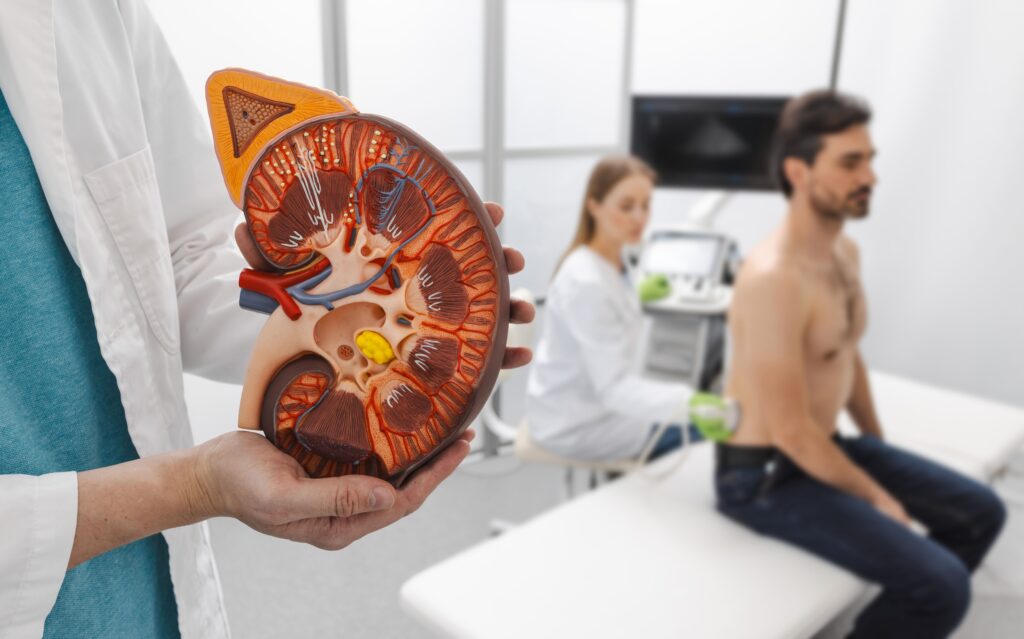
Kidney injury and kidney failure are among the most serious complications reported by some users of GLP-1 medications, including Ozempic, Wegovy, Mounjaro, Zepbound, Rybelsus, Trulicity, Saxenda, and Victoza. In many cases, kidney damage is linked to prolonged vomiting, severe dehydration, electrolyte imbalance, or pancreatitis caused or worsened by GLP-1 drugs.
This page explains how kidney injuries appear in GLP-1 lawsuits, what medical findings matter most in eligibility reviews, and who may qualify for compensation.
How GLP-1 Drugs Can Lead to Kidney Injury
While GLP-1 drugs do not directly target the kidneys, claim reviews frequently identify secondary pathways that lead to renal damage, including:
- prolonged vomiting
- inability to maintain hydration
- severe diarrhea
- electrolyte imbalance
- pancreatitis-related organ stress
- low blood pressure from dehydration
These factors can cause acute kidney injury (AKI), which may progress to chronic kidney disease (CKD)or permanent kidney failure in severe cases.
GLP-1 Drugs Commonly Named in Kidney Injury Claims
Kidney-related claims often involve:
Types of Kidney Injuries Seen in GLP-1 Claims
Acute Kidney Injury (AKI)
Often sudden and severe, AKI may present with:
- sharply elevated creatinine
- reduced urine output
 swelling in legs or face
- confusion or fatigue
- hospitalization for IV fluids
Even a single episode of AKI can permanently reduce kidney function.
Chronic Kidney Disease (CKD)
Some patients experience ongoing kidney decline after AKI, including:
- persistently reduced eGFR
- need for long-term nephrology care
- dietary and fluid restrictions
- increased risk of future kidney failure
Kidney Failure & Dialysis
Severe cases may progress to:
- kidney failure
- dialysis (temporary or permanent)
- transplant evaluation
- long-term disability
Dialysis-related cases are often considered among the strongest injury claims due to severity.
Symptoms Commonly Reported in Kidney Injury Cases
Claim reviews often involve symptoms such as:
- decreased or dark urine
- swelling (edema)
- severe fatigue
- nausea and vomiting
- confusion
- shortness of breath
- abnormal blood pressure
- hospitalization following dehydration
Kidney injury often appears after weeks or months of vomiting, not as an isolated event.
How Kidney Injury Is Diagnosed (Key for Claims)
Objective medical documentation is critical. Common evidence includes:
Laboratory Findings
- elevated creatinine
- reduced eGFR
- abnormal BUN
- electrolyte imbalances
Hospital Records
- admission notes
- nephrology consults
- IV fluid treatment records
- dialysis documentation (if applicable)
Imaging
- renal ultrasound
- CT scans (in some cases)
➡️ Documentation guide: Medical Records
Why Kidney Injury Claims Often Overlap With Other Injuries
Kidney damage in GLP-1 cases frequently overlaps with:
- gastroparesis (chronic vomiting leads to dehydration)
- pancreatitis (systemic inflammation stresses kidneys)
- intestinal obstruction (fluid and electrolyte imbalance)
Related pages:
Who May Qualify for a Kidney Injury Lawsuit?
You may qualify if:
- you used a GLP-1 drug, AND
- you developed kidney injury or kidney failure, AND
- your condition required medical intervention
Eligibility is often stronger if you experienced:
- hospitalization
- IV fluids or dialysis
- persistent kidney impairment
- nephrology follow-up
- long-term dietary or fluid restrictions
- reduced ability to work
Evidence That Strengthens a Kidney Injury Case
Strong claim reviews often include:
- lab trends showing kidney decline
- ER or hospitalization records
- nephrologist notes
- dialysis documentation
- records linking dehydration or vomiting to AKI
- GLP-1 prescription history and timing
- symptom timeline showing progression
➡️ Evidence checklist: Medical Records
Compensation in Kidney Injury & Kidney Failure Claims
Depending on severity, compensation may address:
- hospital and dialysis costs
- nephrology treatment
- medications and labs
- long-term care expenses
- lost income or reduced earning capacity
- disability accommodations
- pain, suffering, and emotional distress
- diminished quality of life
➡️ More: Compensation
Timeline Factors Often Reviewed
Case evaluations frequently analyze:
- duration of GLP-1 use
- severity and length of vomiting or dehydration
- timing of kidney injury relative to symptoms
- whether kidney function recovered or declined
- persistence of impairment after stopping the drug
A clear timeline often strengthens causation arguments.
When to Seek Immediate Medical Help
Seek emergency care if you experience:
- very low urine output
- confusion or fainting
- swelling with shortness of breath
- severe dehydration
- chest pain
- signs of kidney failure
How to Start a Kidney Injury Claim Review
To begin, you typically only need:
- GLP-1 drug name and dates of use
- kidney diagnosis or lab abnormalities
- hospitalization or dialysis details
- whether kidney issues persist
➡️ Start your review: File a Claim
➡️ Eligibility criteria: Criteria
Related Internal Links
Kidney injury and kidney failure are among the most devastating complications alleged in GLP-1 litigation. Many cases involve prolonged vomiting and dehydration leading to acute kidney injury that never fully resolves. Objective lab evidence, hospitalization records, and a clear timeline often play a critical role in determining eligibility.
If you developed kidney injury or kidney failure after using a GLP-1 drug, you may qualify for a claim review.
➡️ Start your review: File a Claim