
Gastroparesis — often described as stomach paralysis — is one of the most serious injuries alleged in GLP-1 drug litigation. Many patients who used GLP-1 medications (including Ozempic, Wegovy, Mounjaro, Rybelsus, Trulicity, Saxenda, Victoza, and Zepbound) report persistent nausea, vomiting, and an inability to digest food normally. In severe cases, symptoms last months or years and can become permanently disabling.
This page explains gastroparesis, how it may relate to GLP-1 drugs, what symptoms and tests matter most in claim reviews, and who may qualify for compensation.
What Is Gastroparesis?
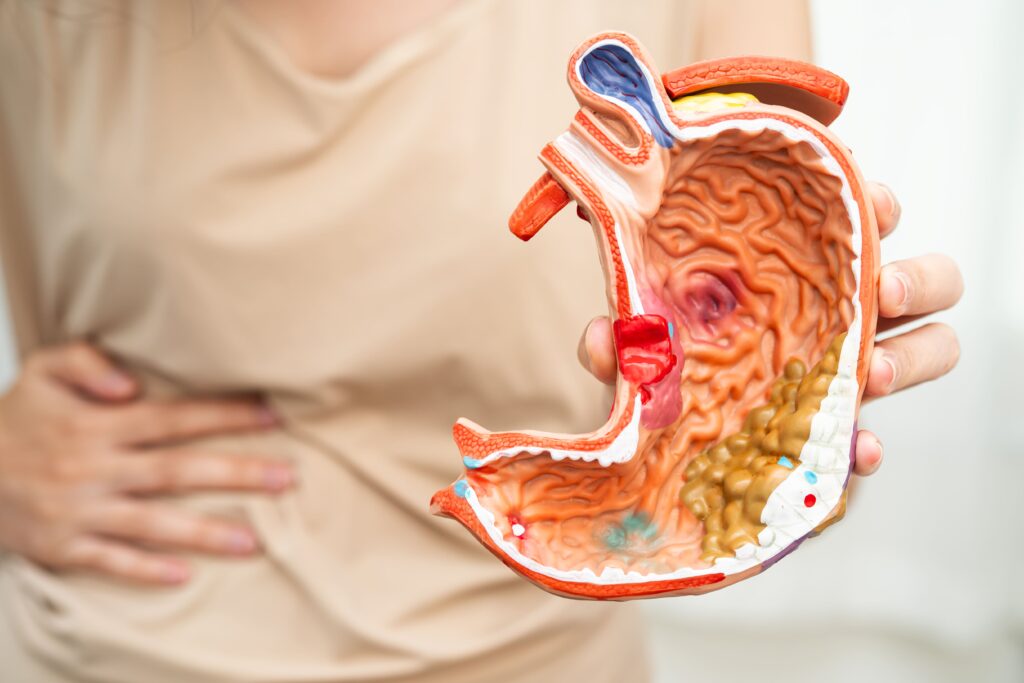
Gastroparesis occurs when the stomach cannot empty food normally due to impaired muscle movement or nerve signaling. Food remains in the stomach for prolonged periods, causing chronic gastrointestinal distress and nutritional harm.
When severe, gastroparesis can lead to:
- frequent vomiting
- inability to eat solid foods
- dehydration and electrolyte imbalance
- malnutrition and weight instability
- emergency hospital treatment
- long-term disability
Because GLP-1 drugs are designed to slow gastric emptying, lawsuits often focus on whether that intended effect can become pathological and permanent in some patients.
GLP-1 Drugs Commonly Named in Gastroparesis Claims
Gastroparesis injury claims frequently involve:
Symptoms Reported in GLP-1 Gastroparesis Cases
Claim reviews commonly involve symptoms such as:
 Core symptoms
- persistent nausea
- vomiting (often undigested food)
- early fullness after a few bites
- severe bloating and abdominal distention
- upper abdominal pain or pressure
- inability to tolerate normal meals
Severe or “red flag” symptoms
- daily vomiting for weeks
- dehydration requiring IV fluids
- inability to maintain nutrition
- rapid decline in health
- ER visits or hospitalization
- feeding tube placement in severe cases
Some patients report symptoms beginning after dose increases or becoming worse over time.
How Gastroparesis Is Diagnosed (Key for Eligibility)
Many legal reviews rely heavily on objective diagnosis. The most important tests include:
Gastric Emptying Study (GES)
Often considered the strongest diagnostic support.
Upper Endoscopy
Used to rule out obstruction or other causes.
Imaging
CT/MRI/ultrasound may support related findings and rule out alternatives.
Motility Capsule Testing
Tracks movement through the GI tract.
Hospital records
ER notes, admission summaries, and persistent symptom documentation can be decisive.
If you haven’t had formal motility testing, symptom history and medical notes may still support a review — especially if symptoms are severe or prolonged.
➡️ Evidence guide: Medical Records
Why Gastroparesis Claims Often Involve Multiple Injuries
Severe gastroparesis frequently leads to secondary complications, including:
- kidney injury from dehydration
- electrolyte collapse
- malnutrition
- gallbladder events from rapid weight loss
- intestinal stasis or obstruction
Related pages:
Who May Qualify for a Gastroparesis Lawsuit?
You may qualify if you:
- used a GLP-1 drug, AND
- developed symptoms consistent with gastroparesis, AND
- received medical care for persistent vomiting or digestive failure
Eligibility is stronger when you have:
- a formal gastroparesis diagnosis
- gastric emptying testing confirming delayed emptying
- hospitalization, IV hydration, or repeated ER care
- an inability to return to normal eating
- long-term impairment or disability
Evidence That Strengthens a Gastroparesis Case
The strongest claim packages often include:
- gastric emptying scan results
- GI specialist records
- ER and hospitalization documentation
- anti-nausea and pro-motility medication history
- weight/nutrition decline notes
- feeding tube or nutrition support records
- symptom timeline showing onset during GLP-1 use
- persistence after stopping the drug
➡️ Medical record checklist: Medical Records
Compensation in Gastroparesis Claims
Depending on severity, compensation may address:
- hospital bills and ER costs
- long-term GI treatment and medications
- motility testing and diagnostics
- feeding support or nutrition therapy
- lost wages and reduced earning capacity
- disability-related costs
- pain, suffering, and emotional distress
- diminished quality of life
➡️ More: Compensation
Timeline & Progression Patterns Often Reviewed
Case reviews commonly analyze:
- when the GLP-1 drug was started
- whether symptoms worsened after dose escalation
- whether vomiting became chronic
- whether symptoms persisted after discontinuation
- how long the impairment lasted
- any long-term diagnosis or dietary limitation
These timeline links can help show plausibility of drug-related causation.
When to Seek Immediate Medical Help
Gastroparesis can be dangerous if it leads to dehydration or electrolyte imbalance. Seek urgent medical care if you experience:
- ongoing vomiting
- inability to keep fluids down
- dizziness or fainting
- confusion
- no urination or very dark urine
- severe abdominal swelling
How to Start a Gastroparesis Claim Review
To begin, you typically only need:
- the GLP-1 drug(s) used
- approximate dates of use
- symptom timeline (when nausea/vomiting began)
- diagnosis or tests (if available)
- ER visits and hospitalizations
- whether symptoms continue today
➡️ Start here: File a Claim
➡️ Eligibility criteria: Lawsuits Criteria
Related Information
- Main Hub
- Ozempic Lawsuits
- Wegovy Lawsuits
- Mounjaro Lawsuits
- Zepbound Lawsuits
- Severe GLP-1 Reactions
Gastroparesis is a leading injury in GLP-1 litigation because it can be severe, long-lasting, and sometimes permanently disabling. Many claimants report chronic vomiting, inability to eat normally, dehydration, and repeated hospital care after using GLP-1 drugs. Formal diagnosis through gastric emptying testing and consistent medical documentation often strengthens eligibility.
If you experienced ongoing vomiting, suspected stomach paralysis, or a gastroparesis diagnosis after GLP-1 use, you may qualify for a claim review.
➡️ Start your review: File a Claim