
Across the U.S. and internationally, individuals who used GLP-1 medications — including Ozempic, Wegovy, Mounjaro, Rybelsus, Trulicity, Saxenda, Victoza, and Zepbound — are reporting serious gastrointestinal, pancreatic, kidney, and gallbladder complications. Many are filing legal claims alleging that manufacturers did not adequately warn patients about the risk of severe or permanent injuries.
This central hub explains the core legal issues in developing GLP-1 litigation, the medical complications most frequently reported, who may qualify, and how claim evaluation works.
What Are GLP-1 Drug Lawsuits About?
Many lawsuits allege that manufacturers:
- downplayed or failed to properly warn about severe GI motility risks
- did not adequately disclose potential for gastroparesis (stomach paralysis)
- minimized risks of pancreatitis, kidney injury, gallbladder disease, and bowel obstruction
- expanded marketing into weight-loss categories without complete long-term safety data
- presented GLP-1 drugs as low-risk despite post-market injury reports
At the center of these claims are injuries that frequently require emergency care, hospitalization, surgery, long-term treatment, and lifestyle modification.
Many Cases Involve One Or More Of The Following
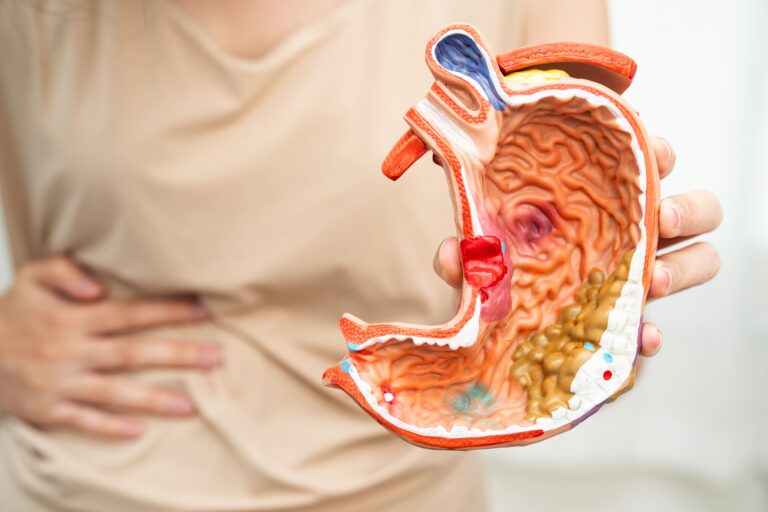
Gastroparesis (Stomach Paralysis)
A serious gastrointestinal condition in which the stomach becomes partially or completely paralyzed. This condition can be long-term or even permanent, and for many patients it leads to chronic nausea, vomiting, severe weight loss, malnutrition, and hospitalization.
This page explains what gastroparesis is, early warning signs, diagnosis, treatment options, and what legal rights patients have if they suffered this condition after taking the drug.
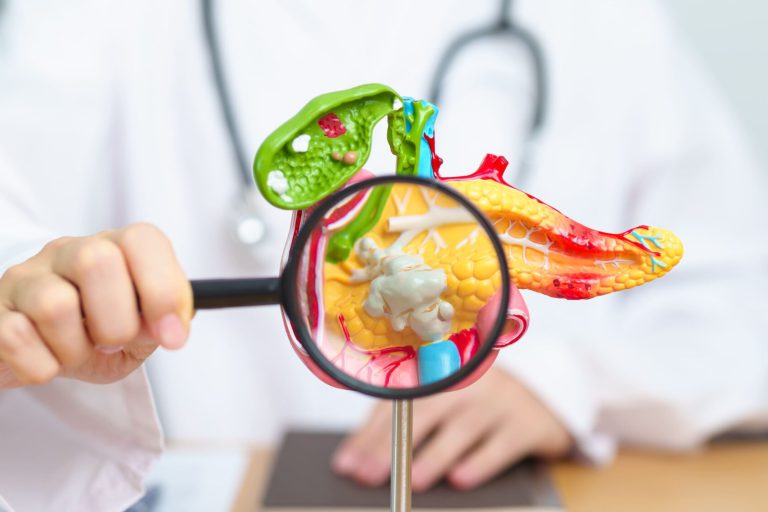
Pancreatitis
Is a serious condition involving inflammation of the pancreas. It can appear suddenly or develop over time . Both forms can be severe, painful, and potentially life-threatening without prompt treatment.
Recent medical reports and patient cases have linked pancreatitis to GLP-1 medications including Ozempic, Wegovy, Mounjaro, and Rybelsus — especially in patients experiencing severe gastrointestinal reactions.
This page provides a complete, medically accurate overview of pancreatitis symptoms, causes, diagnostic methods, treatment options, and the role GLP-1 drugs may play.
Kidney Injury & Kidney Failure
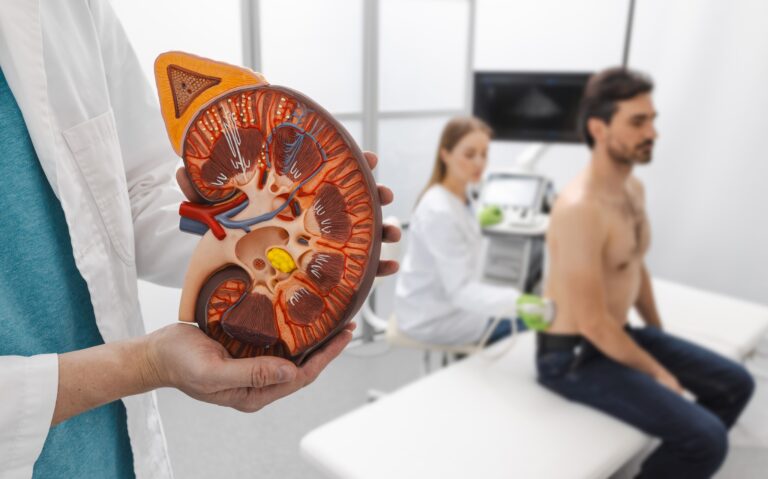
Kidney failure — occurs when the kidneys suddenly stop working properly. This condition can be life-threatening and often develops quickly in response to dehydration, severe vomiting, infections, medications, or underlying illnesses.
There is growing concern about kidney failure and kidney injury in patients taking GLP-1 drugs, including Ozempic, Wegovy, Mounjaro, and Rybelsus, especially when severe gastrointestinal side effects lead to dehydration.
This page explains everything patients need to know about kidney failure, including symptoms, causes, diagnosis, treatment, and how GLP-1 drugs may contribute.
Gallbladder Disease & Removal
Gallbladder disease is one of the most common serious complications reported in GLP-1 drug injury claims. Many patients taking GLP-1 medications (including Ozempic, Wegovy, Mounjaro, Zepbound, Rybelsus, Trulicity, Saxenda, and Victoza) experienced rapid weight loss, severe abdominal pain, ER visits, and ultimately surgery.
This page explains how gallbladder injuries appear in GLP-1 lawsuits, which medical findings matter most in eligibility reviews, and who may qualify for compensation.

Intestinal Obstruction & Severe Motility Disorders
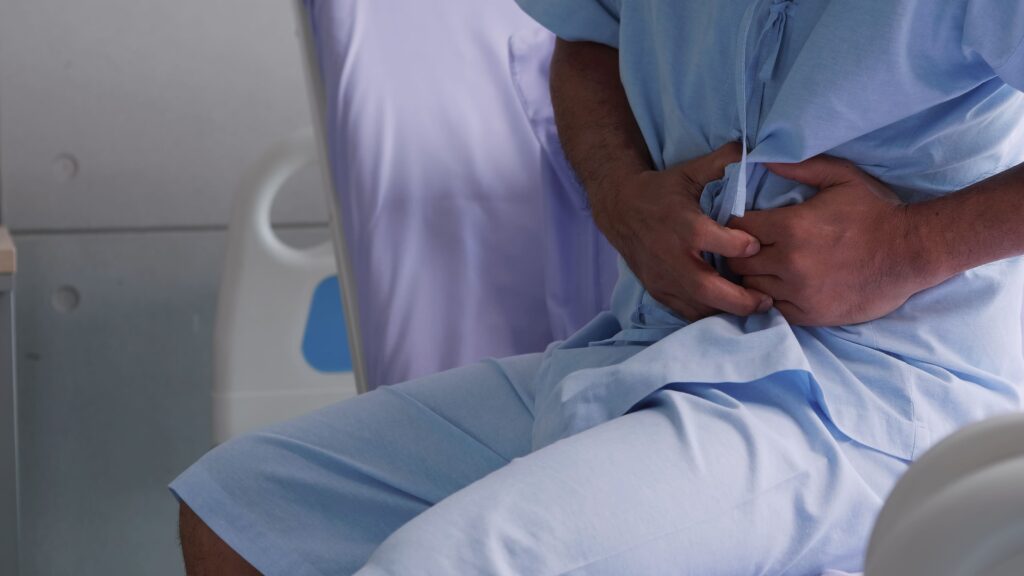
Intestinal obstruction — is a serious condition where food, fluids, or gas cannot move normally through the intestines. This blockage can be partial or complete, and without urgent treatment, it can lead to infection, perforation, sepsis, or death.
While intestinal obstruction has many causes, recent medical reports suggest possible links between GLP-1 drugs (such as Ozempic, Wegovy, and Mounjaro) and severely slowed gastrointestinal motility, which may contribute to obstruction in some patients.
This page explains the symptoms, causes, diagnostic methods, treatment options, and how GLP-1 drugs may increase intestinal obstruction risk.
Chronic Vomiting, Dehydration & Organ Stress
GLP-1 drug use → persistent vomiting / inability to eat → dehydration and electrolyte imbalance →acute kidney injury (AKI) → long-term kidney damage or failure.
Many patients who used Ozempic, Wegovy, Mounjaro, Zepbound, Rybelsus, Trulicity, Saxenda, or Victoza report severe nausea and vomiting that progressed into dehydration, emergency treatment, and measurable kidney decline.
This page explains how dehydration-related kidney damage appears in GLP-1 lawsuits, what symptoms and documentation matter most, and who may qualify for compensation.