
Trulicity (dulaglutide) is a once-weekly GLP-1 receptor agonist prescribed for Type 2 diabetes. Like other GLP-1 drugs, Trulicity has been linked to severe gastrointestinal problems, pancreatitis, gallbladder disease, and kidney injuries in some patients. As these complications become more widely reported, more people are exploring potential legal claims.
This page explains the core issues in developing Trulicity lawsuits, the medical injuries at the center of claims, who may qualify, and what information is typically important during case review.
Why Trulicity Lawsuits Are Being Investigated
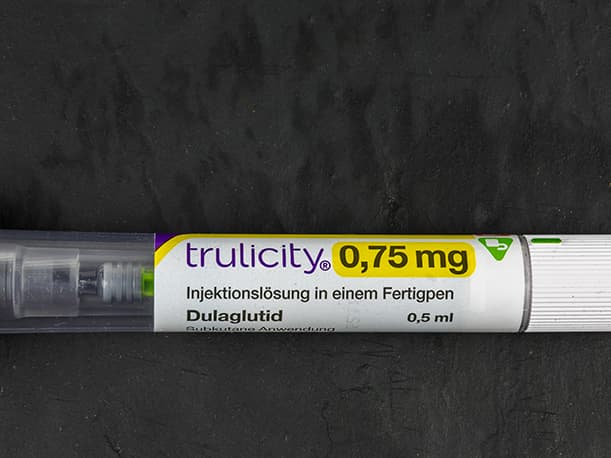 Legal and medical reviews commonly focus on allegations that:
- patients were not adequately warned about the risk of serious GI motility disorders, including gastroparesis
- pancreatitis and pancreatic injury risks were minimized
- the danger of dehydration-related kidney injury was underappreciated
- rapid weight and metabolic changes increased risk of gallbladder disease
- long-term risks were not fully understood when prescriptions expanded
Many Trulicity users say they followed dosing instructions but suffered severe and unexpected complications.
Common Injuries Reported in Trulicity Claims
Gastroparesis (Stomach Paralysis)
Although Trulicity is often associated with “typical” nausea, some patients experience extreme and persistent gastric slowing, including:
- chronic nausea and vomiting
- feeling full after just a few bites
- vomiting undigested food hours later
- long-term difficulty tolerating normal meals
- testing showing delayed gastric emptying
➡️ Legal hub: Gastroparesis
Pancreatitis
Like other GLP-1 drugs, Trulicity has been associated with acute pancreatitis in some users.
Reported features include:
- sudden, intense upper abdominal pain
- pain radiating to the back
- vomiting and fever
- hospitalization and IV treatment
- possible chronic pancreatitis after initial attack
➡️ Legal hub: Pancreatitis
Kidney Injury & Kidney Failure
Kidney stress is often reported in the context of:
- persistent vomiting
- dehydration
- pancreatitis-related complications
Possible findings:
- acute kidney injury (AKI)
- decreased eGFR
- elevated creatinine
- need for IV fluids or dialysis
➡️ Legal hub: Kidney Failure
Gallbladder Problems
Patients and clinicians have reported:
- gallstones
- gallbladder inflammation
- bile duct obstruction
- gallbladder removal surgery
➡️ Legal hub: Gallbladder Removal
Intestinal Obstruction & Severe Motility Disorders
Severe motility disruption may result in:
- extreme constipation or bowel stasis
- inability to pass stool or gas
- abdominal swelling and pain
- ER evaluation or surgery
➡️ Legal hub: Intestinal Obstruction
Patterns Seen in Trulicity Case Evaluations
Case reviewers often see patterns such as:
- symptoms beginning after Trulicity initiation
- worsening nausea and vomiting over time
- dehydration episodes requiring emergency care
- objective testing confirming organ or motility injury
- symptoms that persisted even after drug discontinuation
These patterns may help show a link between Trulicity and resulting injuries.
Who May Qualify for a Trulicity Injury Claim
You may be considered for a claim if:
- you took Trulicity, AND
- you developed a serious medical complication, AND
- your condition required significant treatment or caused lasting harm
Common potentially qualifying conditions:
- diagnosed gastroparesis or severe gastric delay
- pancreatitis (acute or chronic)
- kidney injury, kidney failure, or long-term decline
- gallbladder disease or removal
- intestinal obstruction or severe motility disorder
- prolonged vomiting and dehydration
- long-term digestive disability or dependence on restricted diet
If your condition has affected your ability to work, eat, or live normally, legal review is especially important.
Evidence That Strengthens Trulicity Claims
The strongest cases are supported by medical documentation such as:
- gastric emptying studies or motility tests
- abdominal imaging (CT, MRI, ultrasound, endoscopy)
- pancreatic enzyme results (amylase, lipase)
- kidney function labs (creatinine, eGFR, BUN)
- gallbladder imaging and operative reports
- hospital admission and discharge summaries
- ER visit records
- specialist (GI, nephrology, surgery) notes
- prescription records showing Trulicity use and duration
➡️ Evidence guide: Medical Records
Types of Compensation That May Be Pursued
Depending on the facts of the case, compensation may cover:
- hospital and treatment costs
- medications, follow-up visits, and tests
- surgeries (e.g., gallbladder removal, feeding tubes)
- dialysis or kidney-related treatment
- lost wages or reduced earning capacity
- long-term disability or limitations
- pain, suffering, and emotional distress
- reduced quality of life
➡️ See: Compensation
Timeline & Symptom Links Considered
Case reviews often focus on:
- when symptoms first appeared relative to starting Trulicity
- whether symptoms escalated with ongoing or increased dosing
- whether they persisted after stopping the drug
- diagnoses confirmed by imaging and lab work
- duration of hospitalizations or impairment
These details help establish potential causation patterns.
When to Seek Medical & Legal Help
If, while taking Trulicity, you experienced any of the following, both medical and legal evaluation may be warranted:
- persistent or uncontrollable vomiting
- ongoing or severe abdominal pain
- inability to stay hydrated or eat normally
- rapid, unexplained weight loss
- diagnosis of gastroparesis, pancreatitis, kidney injury, gallbladder disease, or bowel obstruction
- repeated ER visits or hospitalizations
How to Start a Trulicity Claim Review
Typically, you only need to provide:
- the GLP-1 drug you took and how long
- the complications or diagnoses you experienced
- a basic description of your treatments and tests
- whether your symptoms are ongoing
➡️ Start your review: File a Claim
➡️ Review criteria: Criteria
Related Internal Links
To properly connect Trulicity into your GLP-1 litigation silo: