
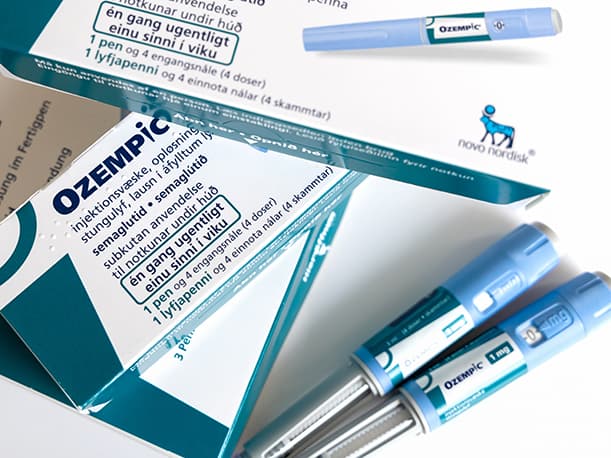
Ozempic (semaglutide) is one of the most widely prescribed medications in the GLP-1 drug class. While many patients experience only mild symptoms, a growing number report severe gastrointestinal problems, organ complications, and long-term side effects — including gastroparesis, pancreatitis, and kidney injury.
This comprehensive guide breaks down every known Ozempic side effect based on medical literature, clinical data, patient reports, and safety updates.
Overview: Why Ozempic Causes Side Effects
Ozempic works by mimicking the hormone GLP-1, which:
- slows digestion
- reduces appetite
- regulates blood sugar
- affects insulin and pancreatic function
Because its mechanism impacts the stomach, intestines, pancreas, kidneys, and sometimes the brain, side effects can vary widely.
Most Common Ozempic Side Effects
These symptoms are widely reported and often appear during dose increases or early treatment.
Gastrointestinal (Most Common)
- Nausea
- Vomiting
- Diarrhea
- Constipation
- Abdominal pain
- Bloating
- Burping/indigestion
- Reduced appetite
These occur in up to 30–60% of patients and are typically mild to moderate.
Moderate Side Effects
More persistent issues include:
Digestive System
- Difficulty finishing meals
- Delayed stomach emptying
- Food intolerance
- Acid reflux
- Increased fullness after small meals
General
- Fatigue
- Dizziness
- Headache
- Injection site reactions
Metabolic
- Rapid weight loss
- Hypoglycemia (low blood sugar), especially if combined with insulin or sulfonylureas
➡️ Hypoglycemia Details
Serious Ozempic Side Effects (Require Medical Attention)
These are the highest-concern side effects and are frequently connected to lawsuit inquiries.
Gastroparesis (Stomach Paralysis)
The most severe GI complication linked to Ozempic.
Symptoms:
- vomiting undigested food hours later
- daily nausea
- inability to eat
- abdominal pain
- severe bloating
- rapid weight loss
Gastroparesis can be long-term or permanent.
➡️ Learn more: Ozempic & Gastroparesis
Pancreatitis
A dangerous inflammatory condition that can be life-threatening.
Symptoms:
- severe abdominal pain radiating to the back
- fever
- vomiting
- rapid heartbeat
➡️ Learn more: Ozempic Pancreatitis Risk
Kidney Problems (Acute Kidney Injury)
Often triggered by dehydration from severe vomiting or diarrhea.
Symptoms:
- reduced urination
- swelling
- fatigue
- foamy or dark urine
- confusion
➡️ Learn more: Ozempic Kidney Problems
Gallbladder Issues
Rapid weight loss increases risk of:
- gallstones
- biliary colic
- gallbladder inflammation
- gallbladder removal
➡️ More info: GLP-1 Gallbladder Complications
Intestinal Obstruction
Due to slowed motility and gastric paralysis.
Symptoms:
- inability to pass gas or stool
- severe abdominal bloating
- constant vomiting
- dehydration
➡️ More info: Intestinal Obstruction
Severe Dehydration
Often secondary to GI side effects.
Can lead to:
- kidney injury
- shock
- hospitalization
- electrolyte imbalance
Thyroid Tumor Risk
Ozempic carries an FDA boxed warning regarding:
- thyroid C-cell tumors
- Medullary thyroid carcinoma (MTC)
➡️ Details: GLP-1 Black Box Warnings
Mental Health Changes
Some users report:
- depression
- irritability
- anxiety
- mood instability
Research is ongoing.
➡️ More info: Ozempic Mental Health Effects
Long-Term Side Effects of Ozempic
Long-term use (>1 year) may increase risk of:
- chronic gastroparesis
- persistent nausea
- kidney function decline
- gallbladder disease
- pancreatic inflammation
- nutritional deficiencies
- possible thyroid tumors
- GI motility disorders
➡️ In-depth: Long-Term Effects of Ozempic
Who Is Most at Risk?
Risk increases in individuals who:
- use Ozempic for weight loss (off-label)
- escalate their dose quickly
- already have GI disorders
- have kidney disease
- have diabetes-related nerve damage
- are dehydrated
- combine Ozempic with other gastric-slowing drugs
When to Call a Doctor Immediately
Seek urgent care if you experience:
- severe abdominal pain
- repeated vomiting
- dehydration
- inability to eat
- swollen legs or face
- little or no urine output
- fever with abdominal symptoms
These may indicate pancreatitis, kidney injury, or stomach paralysis.
FDA Safety Reports & Ongoing Investigations
Growing numbers of adverse event reports have prompted:
- more FDA monitoring
- investigation into long-term GI risks
- examination of off-label prescribing practices
➡️ See updates: FDA Warnings & Safety Alerts
Can You File a Lawsuit for Ozempic Side Effects?
You may qualify for compensation if you experienced:
- gastroparesis
- intestinal blockage
- pancreatitis
- kidney injury
- gallbladder removal
- long-term digestive dysfunction
- hospitalization
- inability to work
➡️ Check eligibility:
👉 Ozempic Lawsuit Information
Related Information
Ozempic has a wide range of side effects — from mild nausea to severe, life-altering complications such as gastroparesis and pancreatitis. While many patients tolerate the medication well, others develop serious injuries requiring hospitalization or long-term care.
If you’re suffering severe or persistent symptoms, seek medical attention and explore whether you may qualify for compensation.